The core
Woodside, and everything within about two miles
This is where we live and where most of our projects are. Being genuinely close is not a slogan — it is why the foreman can be back on a Thursday afternoon to look at something with you, and why the material library is somewhere you can actually get to on a Saturday morning.
Beyond the core we cover the rest of Queens, and larger residential and commercial projects across Brooklyn and Manhattan for clients, boards and agents we already work with.
- Woodside
- Sunnyside
- Jackson Heights
- Elmhurst
- Astoria
- Long Island City
- Maspeth
- Corona
- East Elmhurst
- Rego Park
- Forest Hills
- Middle Village
- Ridgewood
- Glendale
- Flushing
- Bayside
- Queens
- Brooklyn
- Manhattan

ZIP codes
Where we are working most weeks
- 11377
- 11104
- 11372
- 11373
- 11103
- 11101
- 11378
- 11368
- 11369
- 11374
- 11375
- 11379
- 11385
Local knowledge
What twenty-five years on these blocks actually teaches you
Neighbourhoods here were built in waves, and each wave has its own construction, its own building culture and its own set of surprises behind the plaster.
Woodside and Sunnyside row houses
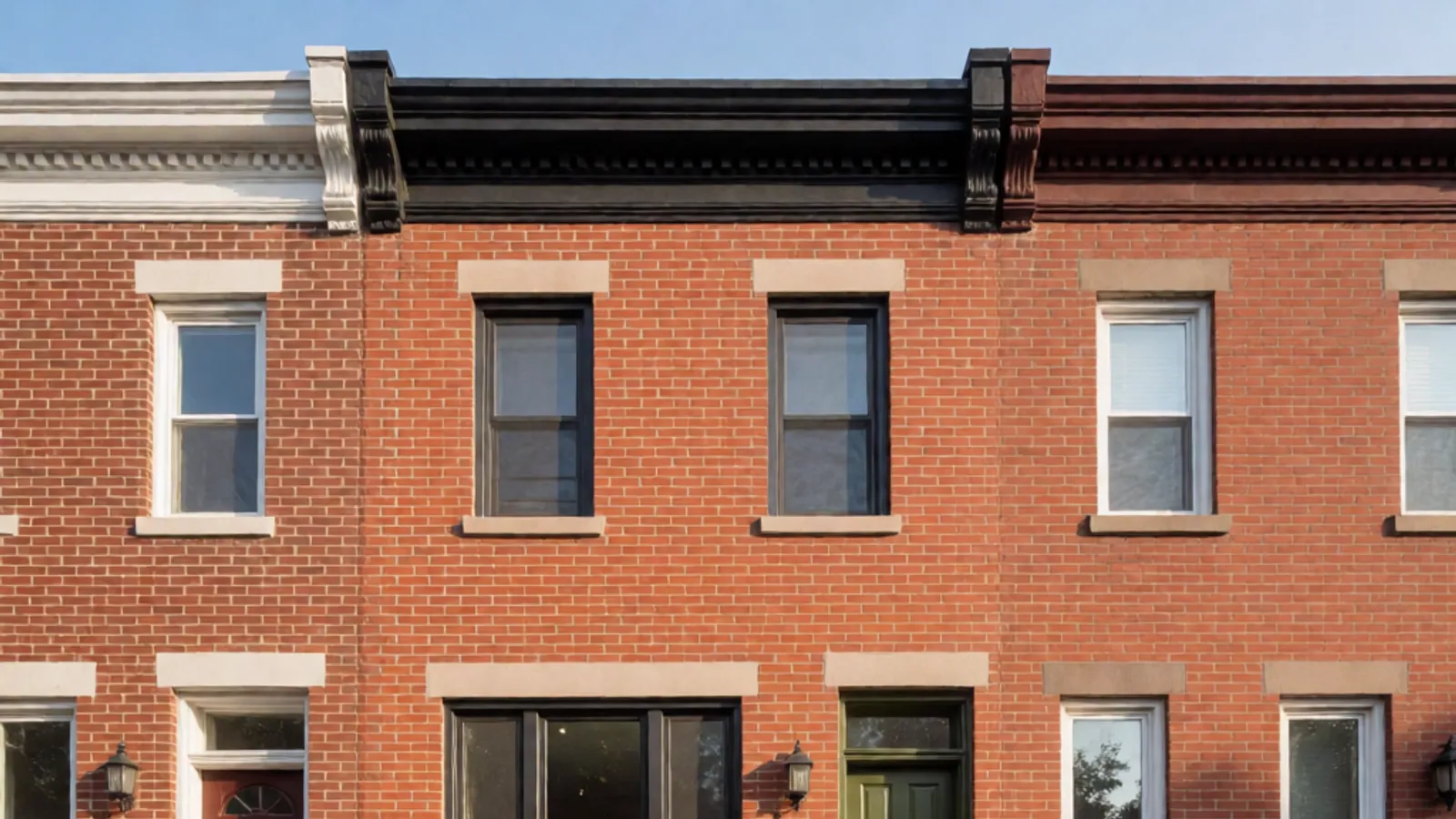
Attached and semi-attached brick, shared party walls, and a rear wall that is where almost everybody eventually wants to open up. The party wall is load-bearing far more often than owners expect, and that single fact reshapes most whole-house designs here.
Sunnyside Gardens and the garden blocks
Planned terraces with shared conditions and, on many blocks, real constraints on what may be changed where it is visible from the street. Matching what is already there matters more here than anywhere else in the area.
Jackson Heights co-ops
Six-storey pre-war buildings with generous rooms, original detail worth keeping, and some of the strictest alteration agreements in the borough. Wet-over-dry restrictions rule out more layouts here than anywhere else we work.
Astoria and Long Island City
Everything from pre-war walk-ups to new-build condos with concrete slabs, in-slab conduit and building rules written by a management company rather than a board. The newer stock is easier structurally and considerably fussier administratively.
Maspeth, Ridgewood and Glendale
Older frame and brick housing with more original joinery and plaster surviving than people expect, and a lot of homes where a well-meant alteration in the sixties removed a header that should have stayed.
Elmhurst, Corona and Rego Park
Dense two- and three-family housing where access is the real constraint — a narrow stair, no driveway, and a container that has to go somewhere. It is a genuine cost factor and we will say so at survey rather than absorb it quietly into a number.
Response times
What “we cover your area” actually means
Surveys
Usually within three to five working days across the core area, free, and unhurried — a survey done properly takes about an hour and we would rather do it once.
Studio appointments
Weekdays and Saturday mornings on Skillman Avenue. Samples can be borrowed and taken home, which is the only sensible way to choose a finish.
Start dates
Kitchens and baths book three to five months ahead. If you are working to a fixed date, tell us at the first call and we will plan the approvals backwards from it.
Stalled projects
We do take over jobs another firm has left. Bring the drawings, the permit number and the last invoice, and we will tell you honestly what finishing it costs.
Not sure if you are in range
Call and ask — the answer is usually yes
If you are in Queens we almost certainly cover you, and for larger residential and commercial projects we go further. It takes one phone call to find out.