Before anything else
The material matters less than you have been led to believe
What decides whether a finished room looks expensive is the substrate and the workmanship underneath it — a wall that is genuinely flat, a floor that has been levelled, a waterproofing layer that was flood-tested, stone templated on fitted cabinets rather than off a drawing. None of that appears in any brochure. A mid-range material installed properly beats a premium one installed badly, every time. Choose the material second.
Cabinetry, floors, joinery · $$ · A lifetime, refinishable
Rift-sawn white oak
Best for
The default for almost everything we build — kitchens, wardrobes, floors and wall panelling.
What is good about it
Rift-sawn gives you a straight, quiet grain with none of the cathedral figure of plain-sawn oak, so a nine-foot run of doors reads as one surface rather than twelve. It takes stain and hardwax oil beautifully, and it can be refinished rather than replaced.
What to watch
It moves with humidity, and a New York apartment goes from radiator-dry in February to swamp in August. Panels must be detailed to allow for it. Anyone selling you a wide solid slab door with no allowance for movement is selling you a crack.
Counters, baths, backsplashes · $$$ · Decades, with patina
Honed marble
Best for
Islands, bathrooms, and anywhere the stone is genuinely the point of the room.
What is good about it
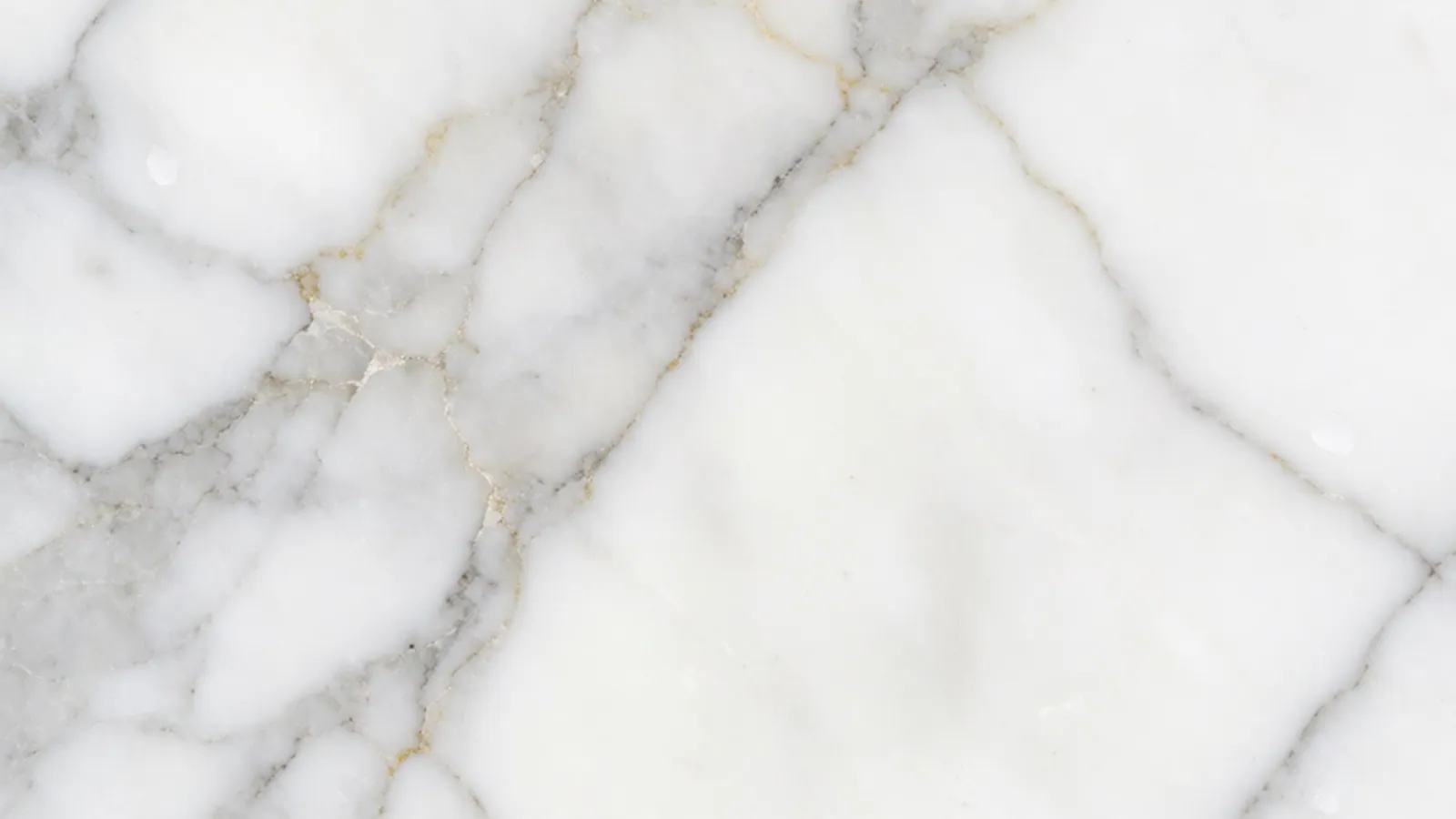
Nothing else has the depth or the veining. Honed rather than polished gives a soft matt surface that hides wear far better, and a single block can be used across an island, a backsplash and a bathroom so the veining runs continuously through the home.
What to watch
It is a calcium carbonate and it will etch. Lemon, wine and anything acidic leave a dull mark within seconds, and no sealer fully prevents it. Marble is for people who want a surface that records its own life. If that idea bothers you at all, choose quartzite instead — we will say so in the studio.
Counters, high-traffic surfaces · $$$ · Decades
Quartzite
Best for
Kitchens that want the look of marble and the behaviour of granite.
What is good about it
A genuine natural stone, considerably harder than marble, largely resistant to etching and very hard to scratch. Some slabs are almost indistinguishable from a good marble at two feet.
What to watch
A great deal of what is sold as quartzite is actually dolomitic marble, which etches exactly like marble does. We test the slab before we buy it, and we will show you the test.
Counters, vanities · $$ · 20 – 30 years
Engineered quartz
Best for
Busy family kitchens, rental units, and anywhere the surface has to be forgiving.
What is good about it
Non-porous, needs no sealing, will not etch, and comes in consistent slabs so what you approve is what arrives. For a household with small children and no patience for maintenance it is the sensible answer.
What to watch
It does not like heat — a pan straight off a burner can mark it permanently — and it cannot be refinished. The veined patterns are printed and they repeat, so on a very large island the repeat becomes visible unless the slabs are laid out carefully.
Counters, floors, showers · $$ · 30 years plus
Porcelain slab
Best for
Wet rooms, shower walls, and floors that run continuously out onto a terrace.
What is good about it
Almost indestructible, completely non-porous, unaffected by heat, frost or acid, and available in very large formats so a shower wall can be built with almost no joints at all.
What to watch
Edges are the tell. A 6mm slab needs a mitred edge to look like stone, and a badly mitred porcelain edge is the most obvious cheap detail in a bathroom. It is a fabrication skill, not a material choice.
Backsplashes, bathrooms · $$ · A lifetime
Zellige and handmade tile
Best for
Backsplashes and bathrooms that need warmth and movement rather than a flat field of colour.
What is good about it
Every tile is slightly different in size, colour and surface, so the wall catches light unevenly and stays alive. It is the cheapest way to stop a very clean kitchen from feeling like a showroom.
What to watch
The variation is the product, not a defect — expect uneven joints and colour lots that differ. It needs a tiler who has laid it before, and roughly 20% more tile than the calculation says.
Walls, showers, floors · $$ · 15 – 25 years
Micro-cement and lime plaster
Best for
Seamless bathrooms, feature walls, and rooms that should feel hand-made.
What is good about it
A continuous surface with no grout lines at all, applied by hand so it carries a soft variation across a wall. In a small bathroom, removing every joint makes the room read considerably larger than it is.
What to watch
It is entirely dependent on the applicator and on what is underneath it. Movement in the substrate telegraphs straight through as a crack. We only use it over a properly prepared and isolated base, and never over an old floor we have not opened up first.
Hardware, tapware, rails · $$ · A lifetime, living finish
Unlacquered brass
Best for
Hardware, tapware and lighting in rooms that should look better in five years than on day one.
What is good about it
It arrives bright and gold and gradually darkens where hands touch it, so a kitchen ends up carrying a record of how it is used. It is solid metal all the way through and cannot chip or flake the way a plated finish can.
What to watch
It genuinely does change, and quickly — within weeks around a sink. If you want it to stay the colour it was on the day it was installed, choose a lacquered or satin finish instead. Half the complaints about brass are really complaints about nobody having explained this.
Putting it together
What we would specify, and when
A busy family kitchen in a Woodside apartment
Rift-oak or painted cabinetry, engineered quartz counters, a handmade tile backsplash and unlacquered brass hardware. Forgiving where it has to be, characterful where it can afford to be, and it will still look considered in fifteen years.
A kitchen where the stone is the point
One honed marble or quartzite block reserved and used across the island, the backsplash and a waterfall end, so the veining runs continuously. Then keep everything else quiet — cabinetry in a single tone and no competing pattern anywhere.
A small apartment bathroom
Large-format porcelain floor to ceiling, a frameless glass screen, a floating oak vanity and underfloor heating. Fewest joints, most apparent space, and nothing in the room that can etch or stain.
A primary bathroom used by adults
Honed marble where it is seen and porcelain where it is used. The two read almost identically at two feet and behave completely differently around a basin.
A restored brownstone parlour
Repair the plaster, lift and relay the original parquet with boards salvaged from the closets, and let the room be what it is. New work in this room should defer to the old, not compete with it.
A rental or a unit you will sell within five years
Engineered quartz, engineered oak, porcelain and a lacquered rather than living finish on the hardware. Predictable, non-porous, forgiving of tenants, and none of it demands maintenance from someone who will not give it any.
Not a screen decision
Come and hold the samples
Stone, veneer, tile and cloth look completely different in the light of your own apartment than they do on a screen or under showroom lighting. The material library on Skillman Avenue is open on weekdays and Saturday mornings, and we will lend you samples to take home.