Project stalled with someone else? We do take over unfinished work. Bring the drawings, the permit number and the last invoice, and we will tell you honestly what finishing it costs. Call 000-000-0000
There is a version of a period renovation that gets done a great deal in this borough: strip everything to the brick, board it out flat, and deliver a clean modern box inside a hundred-year-old shell. It is quick and it is cheap and it destroys the only thing that made the house worth more than a new-build. It is also, quietly, what most general contractors are set up to do, because restoration needs skills they do not employ.
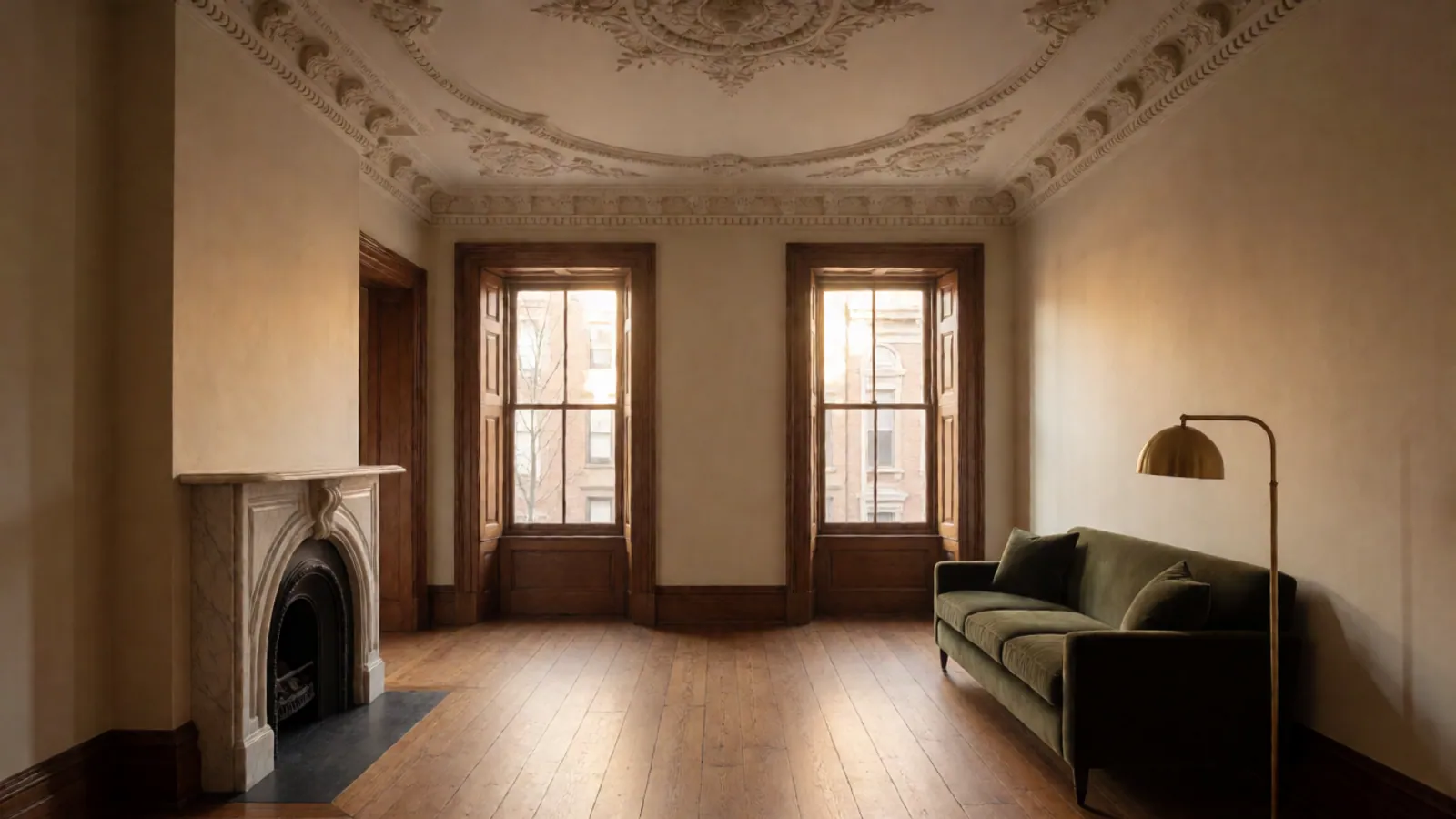
We work the other way. Original plaster is repaired where it can be and cast from the surviving profile where a section is missing. Parquet is lifted, cleaned and relaid with salvaged boards from the same house rather than patched with new. Mantels are taken out, restored and put back. Doors are stripped, repaired and rehung on their original hardware. It takes longer and it needs different trades, and the result is a house that reads as itself.
The modern half still has to happen. These houses need rewiring, heating, insulation and usually a serious intervention at the rear. The craft is in routing all of that without cutting through the things that matter — services run in the floor voids and the cupboards rather than chased through original plaster, and the new work concentrated where the house has already been altered.
What we restore, and how
The elements that carry a period house, and what restoring each of them actually involves.
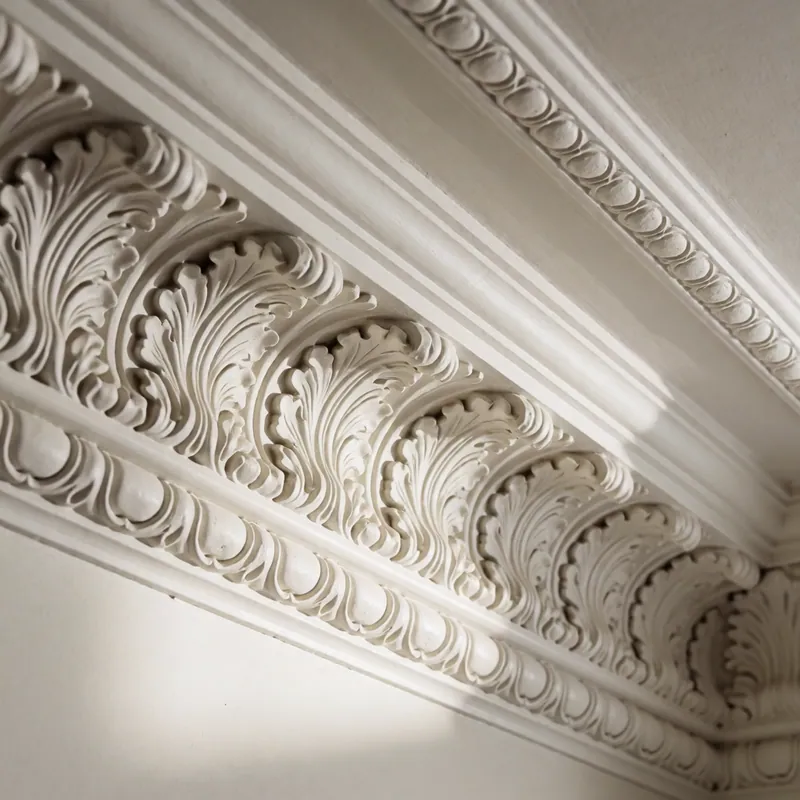
Plaster cornice and ceiling roses
A section taken from the surviving run, a mould made from it, and the missing lengths cast in lime plaster and fitted. It is the single most visible restoration in a parlour and it is far cheaper than clients expect.
Parquet and plank floors
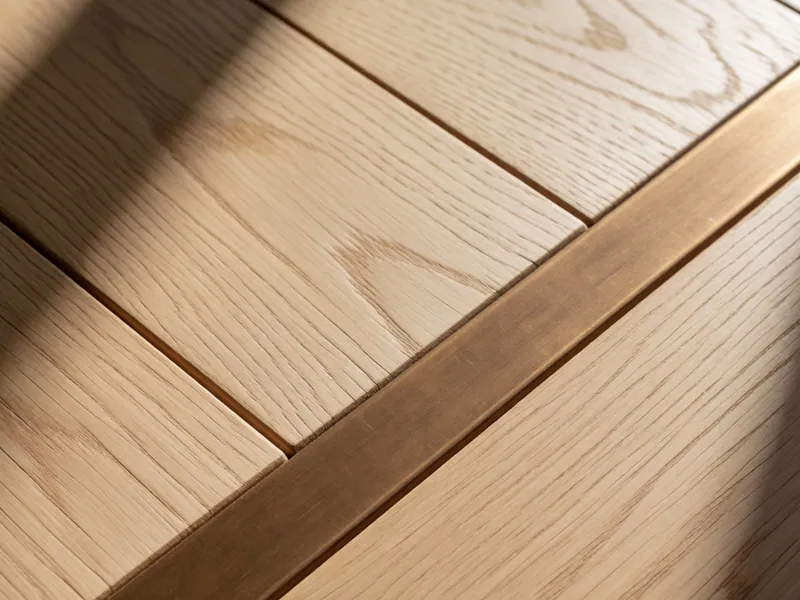
Lifted where necessary, salvaged from cupboards and closets within the same house to patch the public rooms, then sanded flat and finished. Matching new timber to ninety-year-old oak never quite works; robbing from the back of the house does.
Mantels and fire surrounds
Removed, stripped of decades of paint, repaired and reinstated. Marble is cleaned and filled rather than replaced, and a missing surround is sourced from salvage in preference to reproduction.
Doors, architraves and skirting
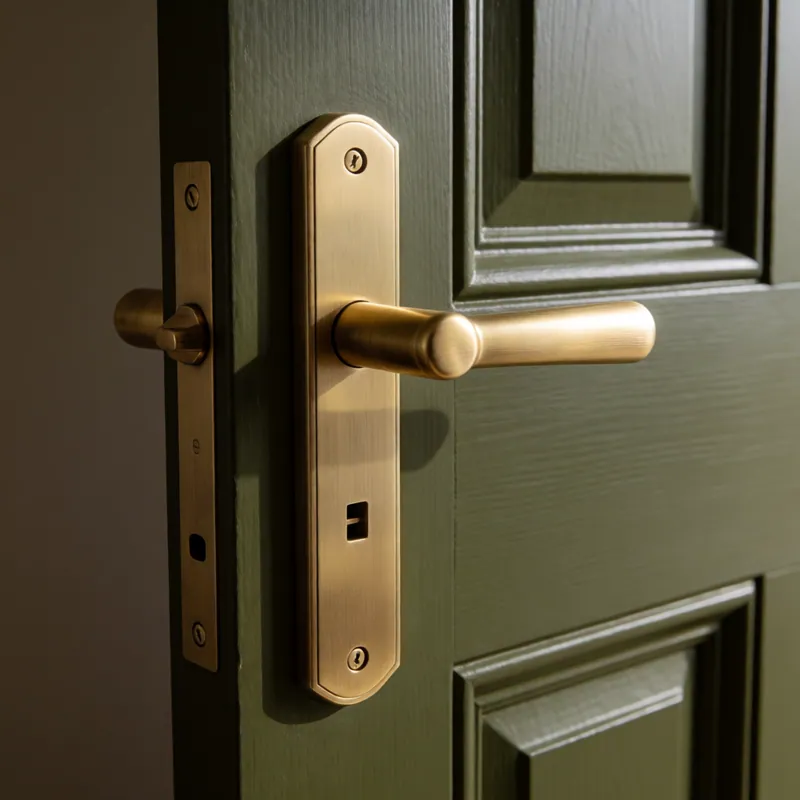
Original doors stripped, repaired, rehung and refitted with their own hardware. Where a profile is missing we have cutters ground to match rather than choosing the nearest stock profile.
Windows and shutters
Original sashes repaired, re-corded and draught-sealed, with slim double glazing where the frames will take it. Internal shutters freed off and made to work again, which most people assume is impossible.
Stairs and balustrades
Treads repaired, squeaks resolved from below rather than by facing over, handrails and balusters restored, and missing spindles turned to match.
Brickwork and facades
Repointed in lime rather than cement — cement pointing traps moisture and spalls the face of soft old brick, and it is the most common and most damaging thing done to these houses.
Bringing a period house up to date
The work that has to happen anyway, done in a way that does not cost you the house.
Rewiring without chasing
Circuits routed through floor voids, closets and existing chases. Cutting new chases through original plaster is fast, cheap and irreversible, and we avoid it almost entirely.
Heating and insulation
Insulation at roof and rear where it delivers most, breathable materials against solid walls, and cast-iron radiators refurbished and re-plumbed rather than replaced with panels.
Rear extensions and openings
The back of the house is where these buildings have almost always been altered already, and it is where a modern intervention belongs. Structural work, glazing and the connection to the garden.
Damp, done properly
Most damp in these houses is a failed gutter, cement pointing or a raised external level, not rising damp. We find the cause. Chemical injection into a wall that is wet for a different reason solves nothing.
Landmark and historic review
Where the building or the district is designated, the exterior work needs review. We establish this at the very start, because it changes both the programme and what is permitted at the front of the house.
Brownstone & Rowhouse Restoration in western Queens
Plaster, parquet, mantels and joinery repaired and matched rather than stripped out and replaced with something newer.
Every job of this kind starts the same way: somebody climbs it, photographs it, and writes down what is actually wrong before anybody quotes a price. The survey is free, the report is yours, and you are under no obligation to use us for the work it recommends.
Please do not open up structure or services yourself. Removing a wall, cutting into a header, or opening plumbing, gas or electrical work is not a job to start on the strength of a website. In a pre-war Queens building, walls that look like partitions frequently carry load, and old wiring is often ungrounded. Work of this kind needs a licensed contractor, and in most cases a permit, a structural engineer and your building's written consent. Never assume a circuit is dead, and never treat general guidance on this page as a substitute for somebody qualified looking at your own building.
Questions
Brownstone & Rowhouse Restoration — the questions we are asked most
Can a missing section of cornice really be matched?
Yes, and it is routine. We take a section of the surviving run, make a mould from it, and cast the missing lengths in lime plaster. Fitted and painted, the join is genuinely invisible. It costs $85 to $180 per linear foot and clients are consistently surprised how modest that is against what it achieves.
Is it cheaper to strip everything out and start again?
In the first year, yes, by roughly fifteen to twenty per cent. Over any longer horizon it is a serious mistake in a period house — the original fabric is the reason the building is worth more than a new-build, and it cannot be put back. We will build you a clean modern interior if that is genuinely what you want, but we will make sure you are choosing it rather than drifting into it.
Do you handle landmark approvals?
Yes, where the building or the district is designated. It applies mainly to what is visible from the street — windows, doors, facade, cornice, stoop and railings. We establish the designation status before design begins, because it constrains the front of the house significantly and the review adds time to the programme.
My house has damp. Is it rising damp?
Almost certainly not. In the great majority of Queens rowhouses we inspect, the cause is a failed gutter or downpipe, cement pointing trapping moisture in soft brick, or an external ground level raised above the internal floor. We diagnose the cause before proposing anything, because injecting a chemical course into a wall that is wet for another reason achieves nothing at all.
Can original windows be made to perform?
Considerably better than people expect. Repaired, re-corded, draught-sealed and paired with restored internal shutters, an original sash performs respectably, and slim double glazing can often be fitted where the frames will take it. It costs more than replacement units and it keeps the thing that makes the facade correct.
Can we have a modern kitchen in a period house?
Yes, and the best results usually come from putting the modern intervention at the rear — where these houses have almost always been altered already — and leaving the front rooms period. A contemporary kitchen and glazing at the back with a restored parlour at the front is the pattern that works most reliably.
Related
Often needed alongside this
Whole-Home Renovation
Whole-Home Remodeling
A whole house taken from survey and approvals to the day you move back in, on one contract and one schedule.
Read more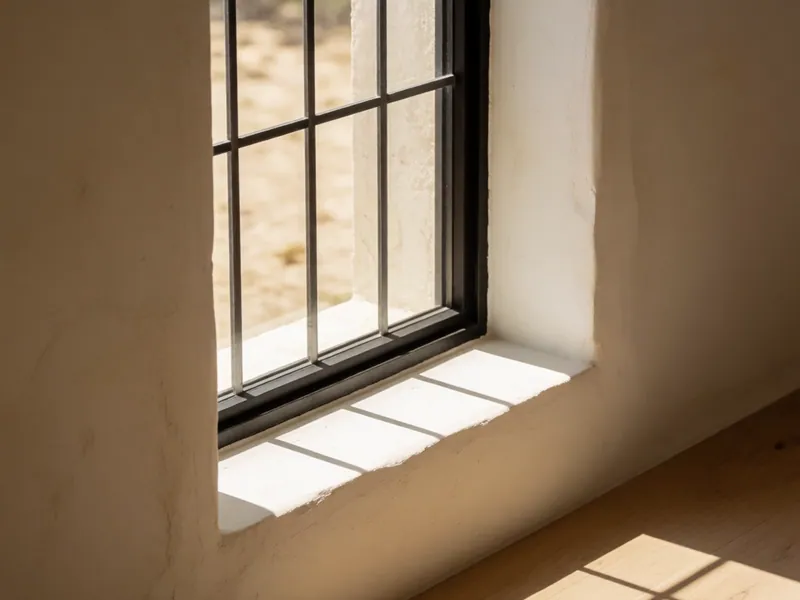
Whole-Home Renovation
Apartment & Co-op Renovation
Co-op and condo renovations built around an alteration agreement, a building engineer and a board that meets when it meets.
Read more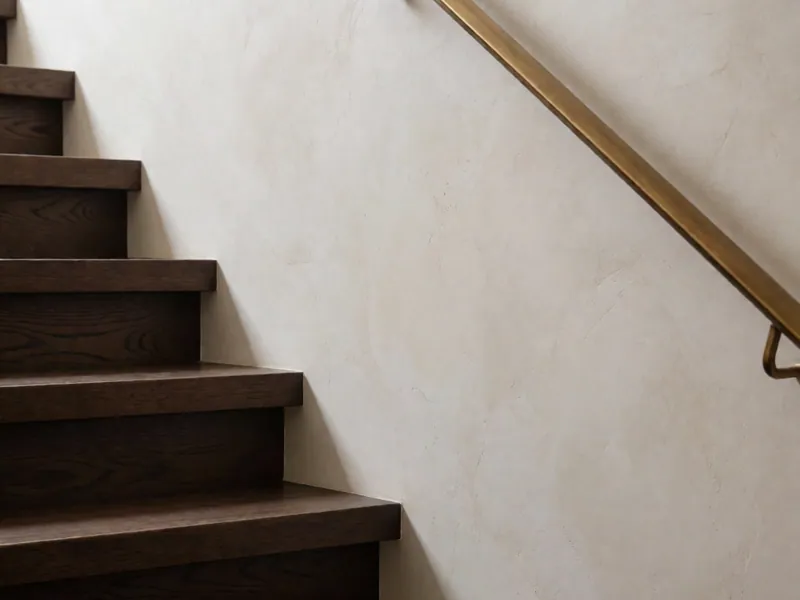
Whole-Home Renovation
Basements, Attics & Additions
The square footage you already own — lower levels, attics and rear extensions made dry, warm and legal.
Read moreFree survey, written quote, fixed price
Book a free measured survey
Tell us the room, the building and roughly what you are hoping to spend, and we will tell you honestly whether those three things are in the same place. The survey and the written quote are free, and the Design Study fee is credited in full against a build contract.