Project stalled with someone else? We do take over unfinished work. Bring the drawings, the permit number and the last invoice, and we will tell you honestly what finishing it costs. Call 000-000-0000
Nearly every flooring complaint we are called about is a substrate problem. Timber laid over a floor that falls an inch across the room, tile bedded on a deflecting subfloor that cracks the grout within a year, engineered board floating over an uneven screed and drumming underfoot. Levelling and preparing the base is unglamorous, it is a real line in the budget, and it is the whole difference between a floor that lasts twenty years and one that is a complaint by year two.
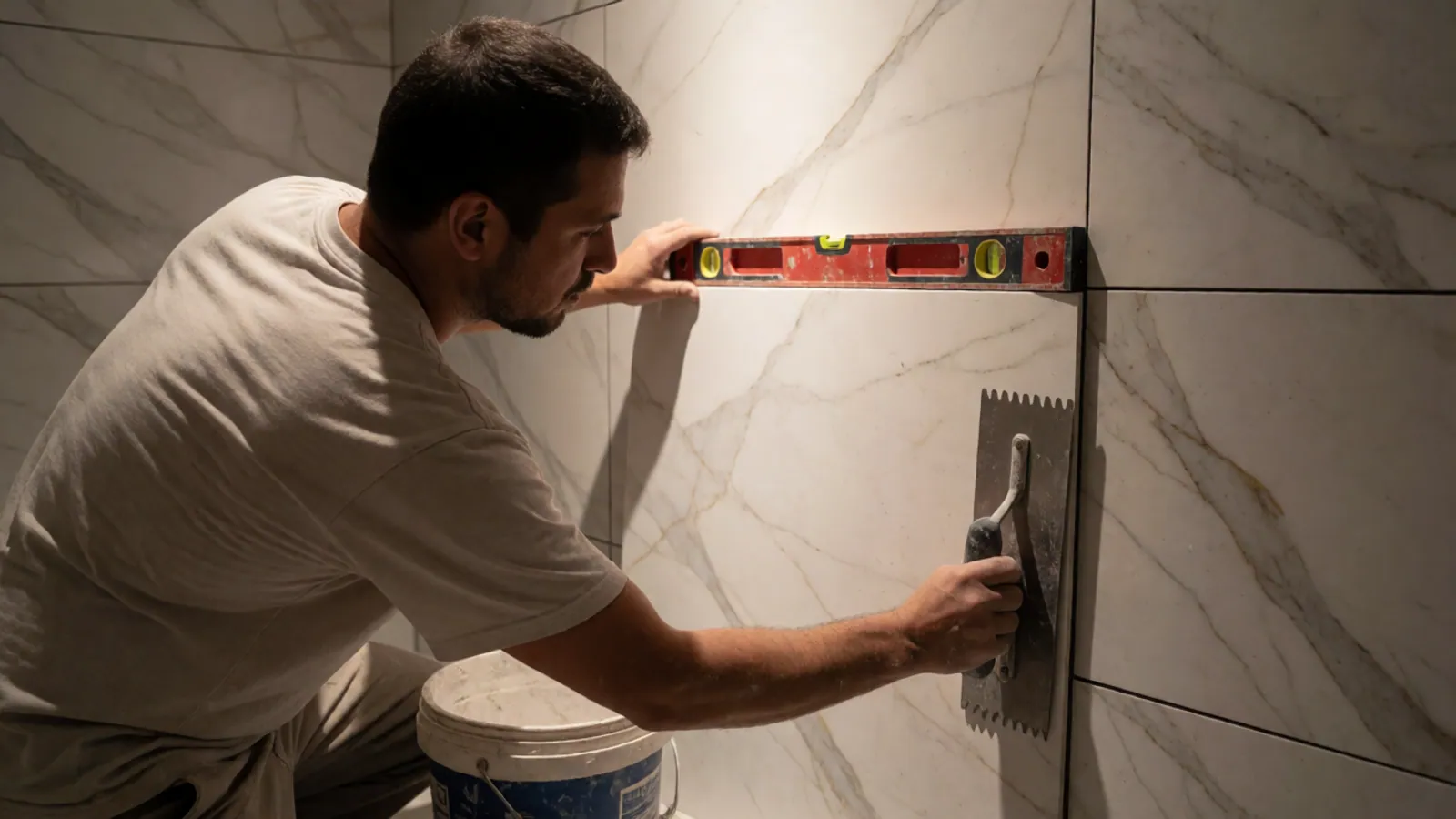
Setting out is the other half. Where the first tile goes determines where every cut lands, and a floor set out from the wrong wall produces a sliver cut in the most visible spot in the room. We set out from the sightline — what you see standing in the door — so full tiles land where the eye goes and the cuts land under a vanity, behind a door, at the least-seen edge. It takes an hour and it costs nothing.
And in an apartment building there is a third requirement that is contractual rather than aesthetic: most alteration agreements specify a minimum acoustic performance for a floor build-up, usually with a resilient layer under it. Ignoring it is one of the fastest ways to be required to take a new floor up again, and it is written into every one of our apartment floor specifications from the start.
What we lay, and what each is genuinely for
The full comparison of surfaces, including how each behaves after a decade, is on the materials guide.
Engineered oak boards
The default for most of a home. Dimensionally far more stable than solid in a New York apartment's humidity swing, and a good one has a wear layer thick enough to be sanded more than once.
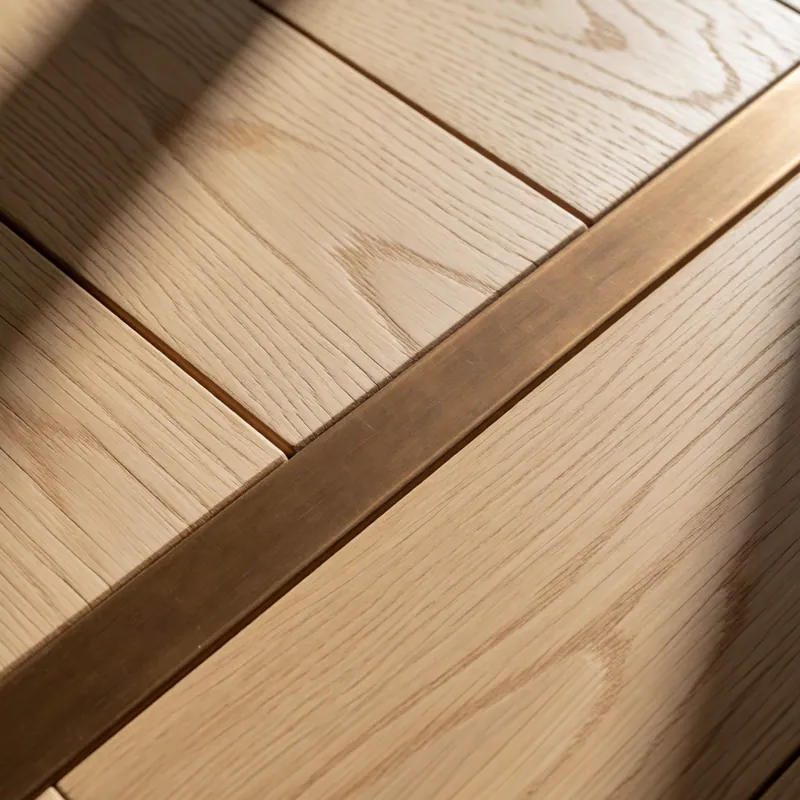
Solid timber and parquet
For period homes and for restoring what is already there. Beautiful, refinishable indefinitely, and it moves — so it must be acclimatised and detailed with expansion in mind.
Large-format porcelain
Bathrooms, kitchens, entrances and anywhere running out to a terrace. Effectively indestructible and the fewest joints available.
Natural stone
Marble, limestone and travertine. Extraordinary underfoot and requires honest advice about sealing, etching and how each will look in ten years.
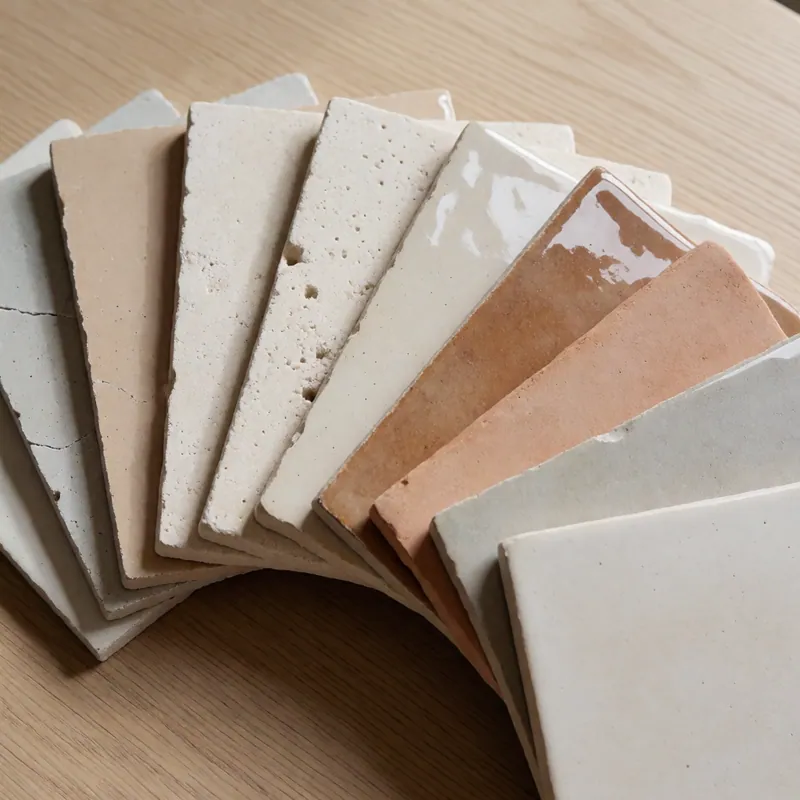
Zellige and handmade tile
For walls and backsplashes where variation is the point. Needs a tiler who has laid it before and about twenty per cent more material than the calculation.
Micro-cement and lime plaster
Seamless floors, showers and walls with no joints at all. Entirely dependent on the substrate being properly prepared and isolated.
Underfloor heating
Electric mat under tile, or a wet system in a build-up that allows it. In a tiled bathroom it is among the highest-value upgrades available.
What happens before anything is laid
The invisible work, which is most of the price and all of the longevity.
Survey the substrate
Levels taken across the room and deflection checked. In an old Queens building a fall of one to three inches across a room is entirely normal and it has to be known before anything is specified.
Level and stiffen
Self-levelling compound, ply overlay or additional noggins where a floor deflects. A tiled floor over a springy subfloor will crack, and no adhesive on the market prevents it.
Acoustic layer
A resilient underlay to meet the building's alteration agreement. In a co-op this is a contractual requirement rather than an upgrade, and it belongs in the specification from day one.
Decouple where tiling demands it
An uncoupling membrane under tile over any substrate that may move, which in a timber-framed building is most of them.
Waterproof the wet areas
Tanking before tiling in every shower and wet room. Tile and grout are not a waterproof layer; the membrane behind them is.
Acclimatise timber
Boards brought into the space and left for the manufacturer's stated period before laying. Skipping this is why floors gap in February and cup in August.
Set out from the sightline
Dry-laid and set out so full tiles land where you look and cuts land where you do not. Then, and only then, does anything get fixed down.
Flooring, Tile & Finishes in western Queens
Floors made flat before they are made beautiful, and tiling set out so the cuts land where nobody looks.
Every job of this kind starts the same way: somebody climbs it, photographs it, and writes down what is actually wrong before anybody quotes a price. The survey is free, the report is yours, and you are under no obligation to use us for the work it recommends.
Questions
Flooring, Tile & Finishes — the questions we are asked most
Why does levelling cost so much?
Because it is often the largest hidden item in a floor. A Queens apartment floor that falls two inches across a room needs real compound or a ply overlay to correct, and everything laid on top of an uncorrected floor either telegraphs the unevenness or fails. It is $9 to $22 per square foot and it is the part that determines whether the floor lasts.
Solid or engineered timber?
Engineered, for almost every New York apartment. A radiator-dry February and a humid August is a punishing cycle for solid timber, and a good engineered board with a thick wear layer is dimensionally far more stable while still being sandable more than once. Solid belongs in period restoration where it matches what is already there.
Do I need an acoustic underlay?
In a co-op or condo, almost certainly — most alteration agreements specify a minimum performance for any new floor build-up. It is a contractual requirement rather than an upgrade, and buildings do enforce it. We specify it into every apartment floor from the outset.
Can you restore our existing parquet?
Usually, and it is nearly always worth it. Lifting and relaying where necessary, patching from boards salvaged inside closets in the same home, then sanding flat and refinishing runs $22 to $38 per square foot — less than a new floor and it keeps the thing that makes the room.
Where should tile cuts go?
Under a vanity, behind a door, at the least-visible edge — never in the sightline from the door. It is decided by where you set out from, it takes an hour of thought before anything is fixed, and it costs nothing. A floor with a sliver cut in the most visible spot was set out from the wrong wall.
Is underfloor heating worth it?
In a tiled bathroom, it is one of the highest-value upgrades on this site — $2,400 to $4,800 for an electric mat over an insulated substrate. It is the item clients most often tell us they wish they had also put in the second bathroom. In a timber-floored living room the case is much weaker.
Related
Often needed alongside this
Design, Furniture & Finishes
Interior Design & Space Planning
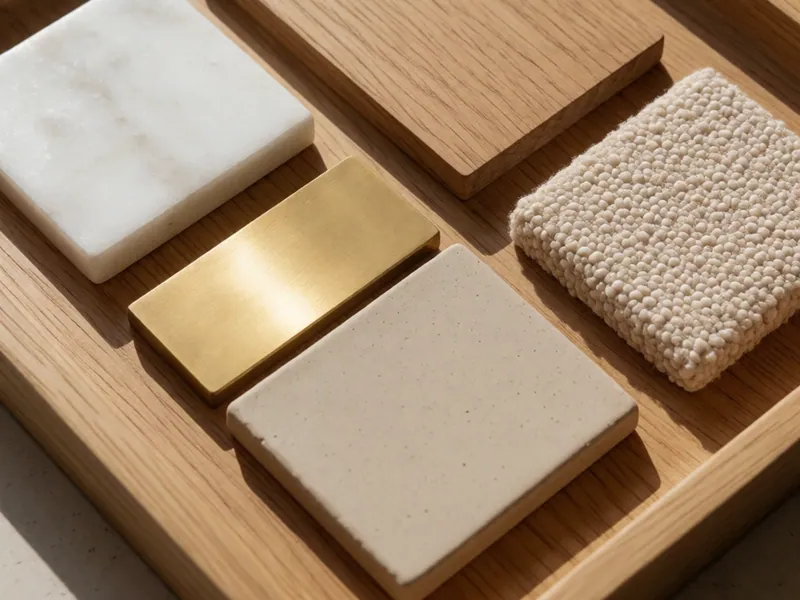
Measured drawings, two real design directions and a finish palette chosen from physical samples rather than screens.
Read more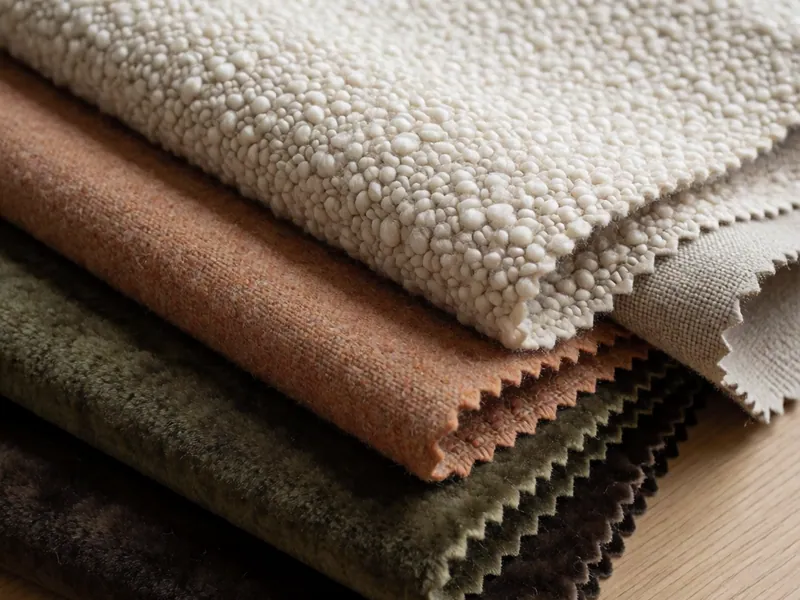
Design, Furniture & Finishes
Designer & Fashion-House Furniture
Twelve cabinetry, furniture and lighting houses — several of them fashion ateliers — specified, sourced and installed by us.
Read more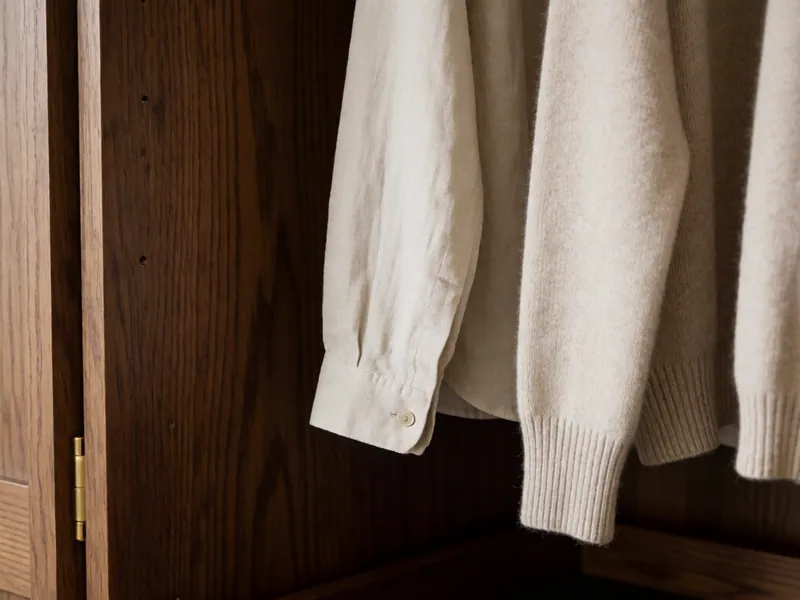
Design, Furniture & Finishes
Closets & Storage Systems
Dressing rooms, wardrobes and storage walls built around what you actually own rather than a standard rail height.
Read moreFree survey, written quote, fixed price
Book a free measured survey
Tell us the room, the building and roughly what you are hoping to spend, and we will tell you honestly whether those three things are in the same place. The survey and the written quote are free, and the Design Study fee is credited in full against a build contract.