Project stalled with someone else? We do take over unfinished work. Bring the drawings, the permit number and the last invoice, and we will tell you honestly what finishing it costs. Call 000-000-0000
We have filed enough alteration packages in western Queens to know which paragraph a given building will argue about. The pattern is consistent: packages are rarely rejected on design, they are held because the insurance certificates name the wrong entities, the drawings are missing a layout the engineer wanted, or the schedule does not respect the building's noise hours. All three are avoidable, and all three cost a board cycle when they are not avoided.
So we start there. Before design is finished, Rajan has your alteration agreement, knows how often your board meets, knows which months your building prohibits work, and knows whether the building requires its own engineer's review. The programme is then built backwards from the board's actual calendar. Buildings that meet quarterly are the single most common reason a start date slips by a season, and it is entirely predictable if anyone bothers to look.
The other half of an apartment renovation is your neighbours. Protected corridors, a sealed barrier at your door with filtration running, deliveries booked into the service elevator rather than parked in the lobby, and a crew who understand that the building's rules apply to them. We have never been asked to leave a building, and in this borough that is a genuine credential.
The alteration package, in order
What your board and its engineer will want, and the order in which we assemble it.
The agreement itself
Requested from the managing agent on day one. It sets insurance limits, work hours, prohibited months, deposit and whether an engineer's review is required — all of which change the price or the programme.
Existing and proposed drawings
Plans, demolition, plumbing and electrical layouts, and a finish schedule, drawn to the standard the building expects rather than the minimum a filing needs.
Insurance certificates
Naming the building, the managing agent and frequently the board as additional insureds, at the exact limits specified. This is the most common reason a package bounces, and it is pure administration.
Licences and workers' compensation
Contractor licence, workers' compensation and disability, current and matching the entity named on the contract.
A schedule that respects the rules
Work hours, noise windows, prohibited months and elevator availability built into the programme before it is submitted rather than discovered afterwards.
Wet-over-dry assessment
Where a bathroom or kitchen is moving, the check that decides whether it is permitted at all. Better answered in week one than in month three.
The engineer's queries
Answered directly by us, in writing, usually within a couple of days. A query left sitting is a board cycle lost.
Working inside an occupied building
What we do as standard, most of which is about the eleven households who did not choose to have a renovation happening near them.
Sealed barrier and filtration
A zip-wall at the apartment door with negative-pressure filtration behind it, so dust leaves through our filters rather than into the corridor.
Corridor and elevator protection
Floors, walls and the service elevator protected before the first delivery, and inspected with the superintendent.
Booked deliveries
Everything scheduled into the service elevator window. Nothing is ever left standing in a lobby, which is the fastest way to lose a building's goodwill.
Daily clean-down
The corridor outside your door is cleaned at the end of every working day, whether or not anything visible happened in it.
Noise discipline
Cutting and coring only within the permitted window, and the loudest work front-loaded so it is finished early in the programme rather than dragging on.
A letter to the neighbours
We write to the affected apartments before we start with the dates, the hours and a number to call. It costs nothing and it prevents most complaints before they happen.
Apartment & Co-op Renovation in western Queens
Co-op and condo renovations built around an alteration agreement, a building engineer and a board that meets when it meets.
Every job of this kind starts the same way: somebody climbs it, photographs it, and writes down what is actually wrong before anybody quotes a price. The survey is free, the report is yours, and you are under no obligation to use us for the work it recommends.

Please do not open up structure or services yourself. Removing a wall, cutting into a header, or opening plumbing, gas or electrical work is not a job to start on the strength of a website. In a pre-war Queens building, walls that look like partitions frequently carry load, and old wiring is often ungrounded. Work of this kind needs a licensed contractor, and in most cases a permit, a structural engineer and your building's written consent. Never assume a circuit is dead, and never treat general guidance on this page as a substitute for somebody qualified looking at your own building.
Questions
Apartment & Co-op Renovation — the questions we are asked most
How long does board approval take?
Two weeks to four months, and it depends almost entirely on how often your board meets and whether your package is complete on first submission. A monthly board with a complete package is usually three to six weeks. A quarterly board with a package that gets held for a missing certificate can cost you an entire season.
What is wet-over-dry, and why does it matter?
Most co-ops prohibit placing a new wet area — a bathroom or kitchen — above a neighbour's dry room such as a bedroom or living room. It is the rule most likely to make a desired layout impossible, so we check it before design rather than after. It is not negotiable in most buildings and it is better known early.
Will my neighbours be a problem?
Rarely, if they are told what is happening. We write to the affected apartments before we start with the dates, the working hours and a number to call, protect the common parts, and clean the corridor daily. Most complaints in a building come from surprise rather than from noise.
Do you deal with the managing agent and the engineer?
Yes, directly, and we prefer to. Rajan handles the agent, the engineer's queries and the certificate requirements. Clients who relay these themselves usually lose time simply in the round trip, because the engineer's questions are technical and want a technical answer the same day.
Can two apartments be combined?
Often, and it is one of the best-value moves in a pre-war building — but it is a structural project with a filing, an engineer, and a board approval that is meaningfully harder to get than a kitchen. Budget from $480,000 and expect the approvals to take longer than the construction.
What happens to the board deposit?
Your building holds it against damage to the common parts and releases it after a final inspection. We protect the corridors and elevator from day one and attend the closing inspection with you. We have never had a client lose a deposit on our work, and the protection that makes that true is in your price.
Related
Often needed alongside this
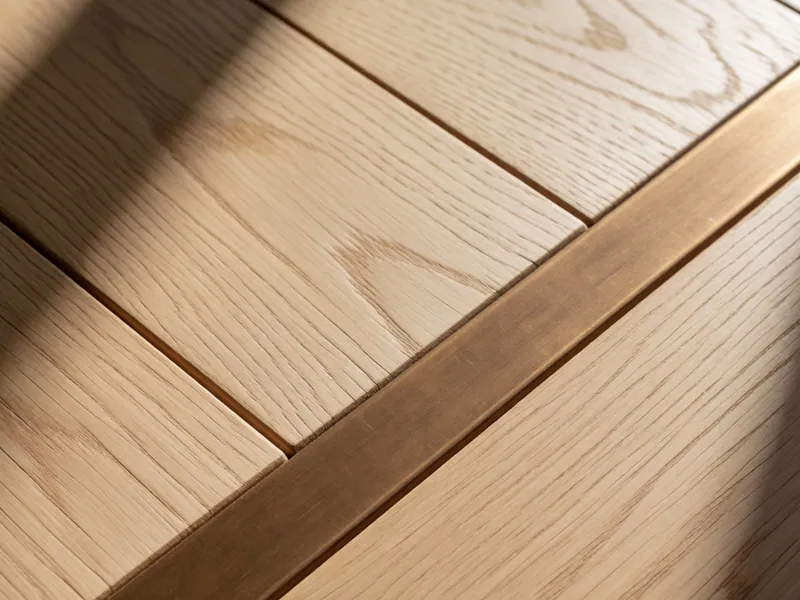
Whole-Home Renovation
Whole-Home Remodeling
A whole house taken from survey and approvals to the day you move back in, on one contract and one schedule.
Read more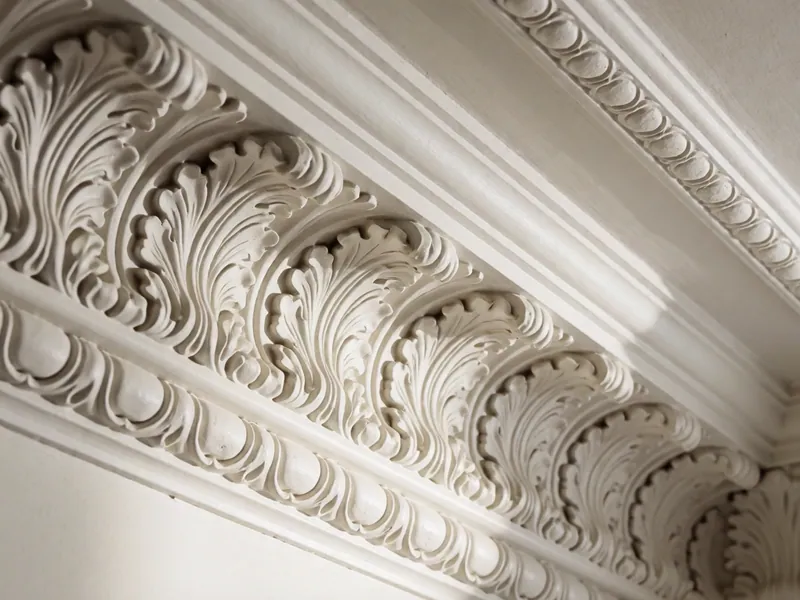
Whole-Home Renovation
Brownstone & Rowhouse Restoration
Plaster, parquet, mantels and joinery repaired and matched rather than stripped out and replaced with something newer.
Read more
Whole-Home Renovation
Basements, Attics & Additions
The square footage you already own — lower levels, attics and rear extensions made dry, warm and legal.
Read moreFree survey, written quote, fixed price
Book a free measured survey
Tell us the room, the building and roughly what you are hoping to spend, and we will tell you honestly whether those three things are in the same place. The survey and the written quote are free, and the Design Study fee is credited in full against a build contract.